
Every eSIM provider we track, compared
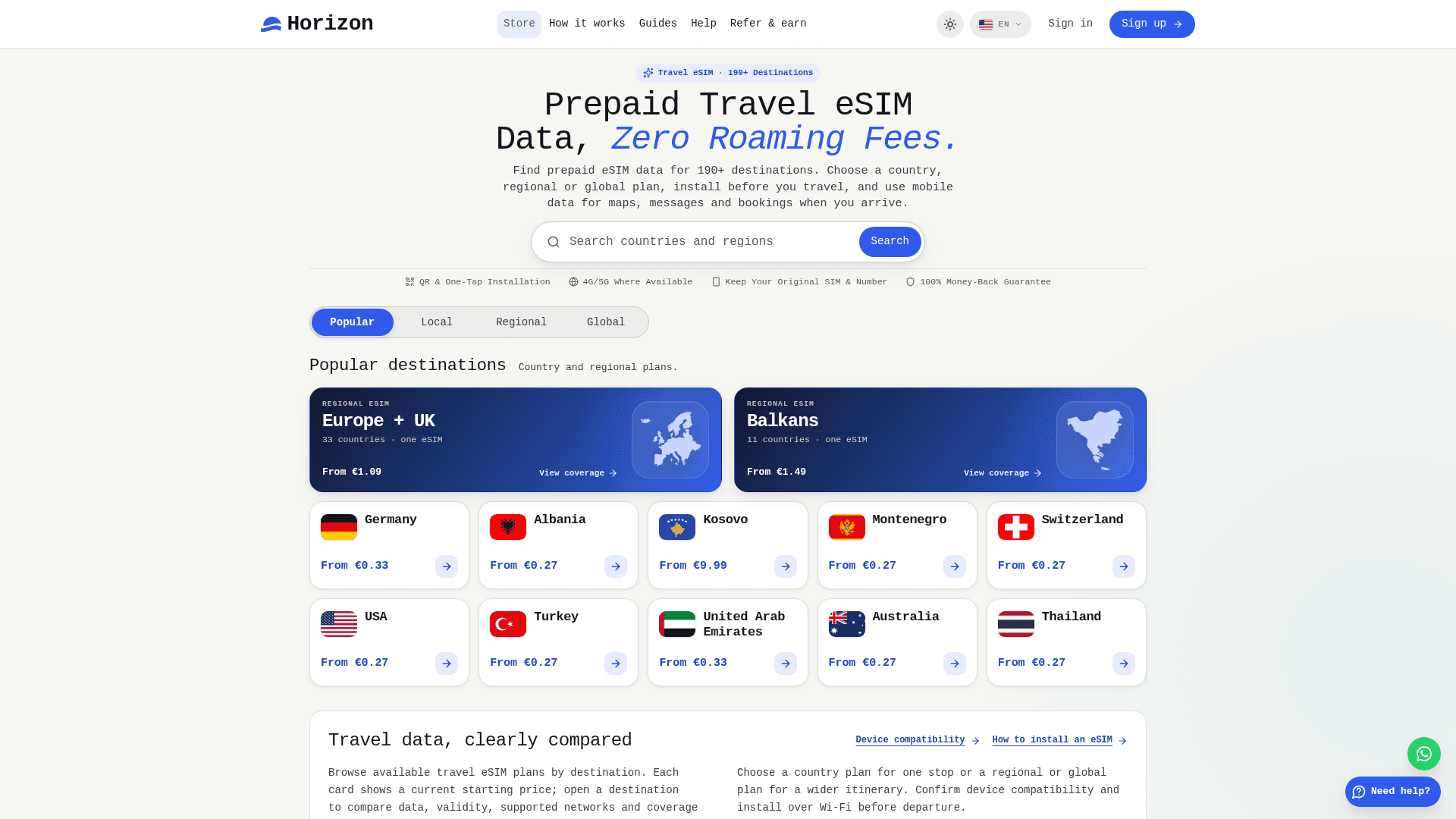
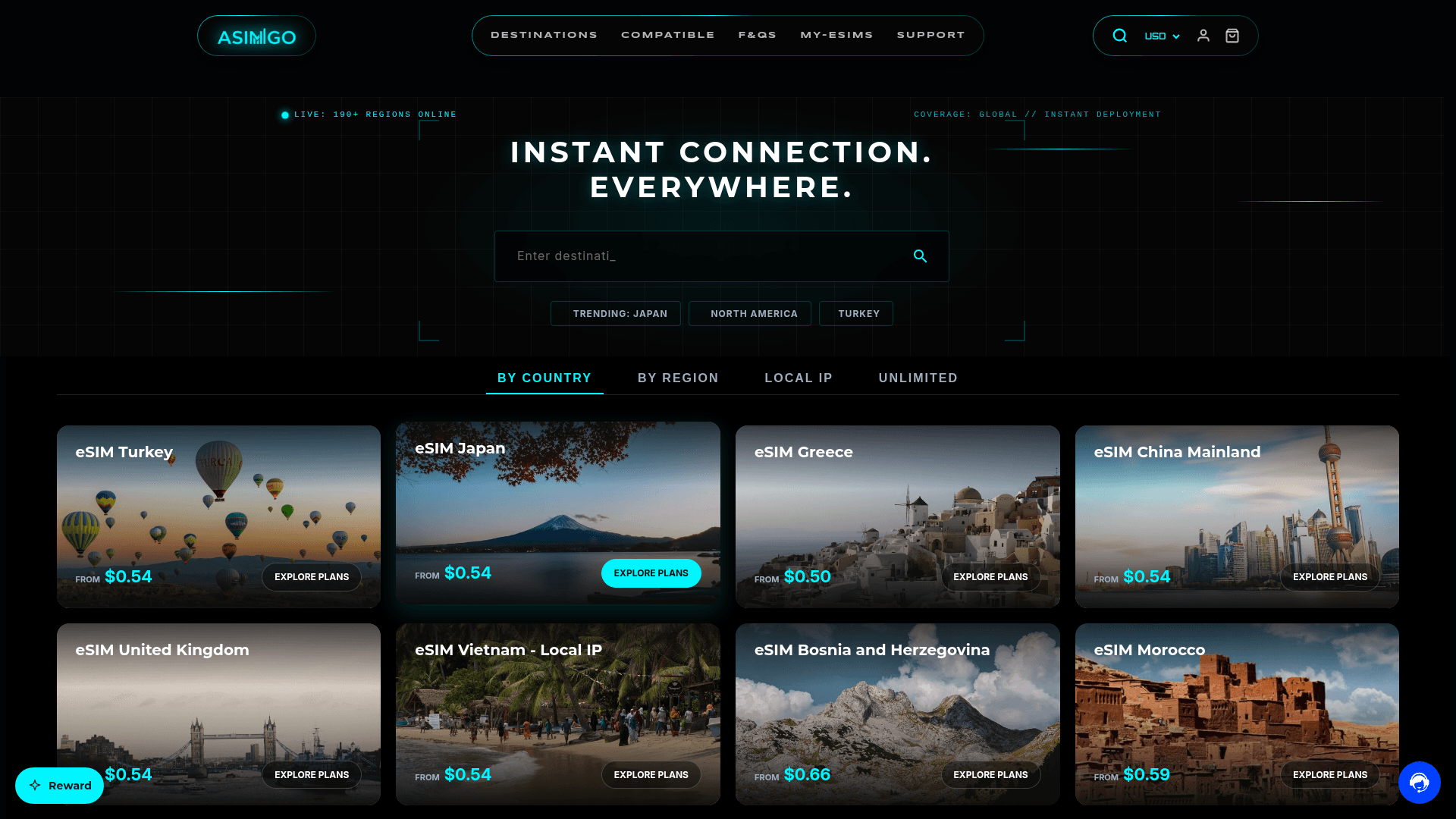
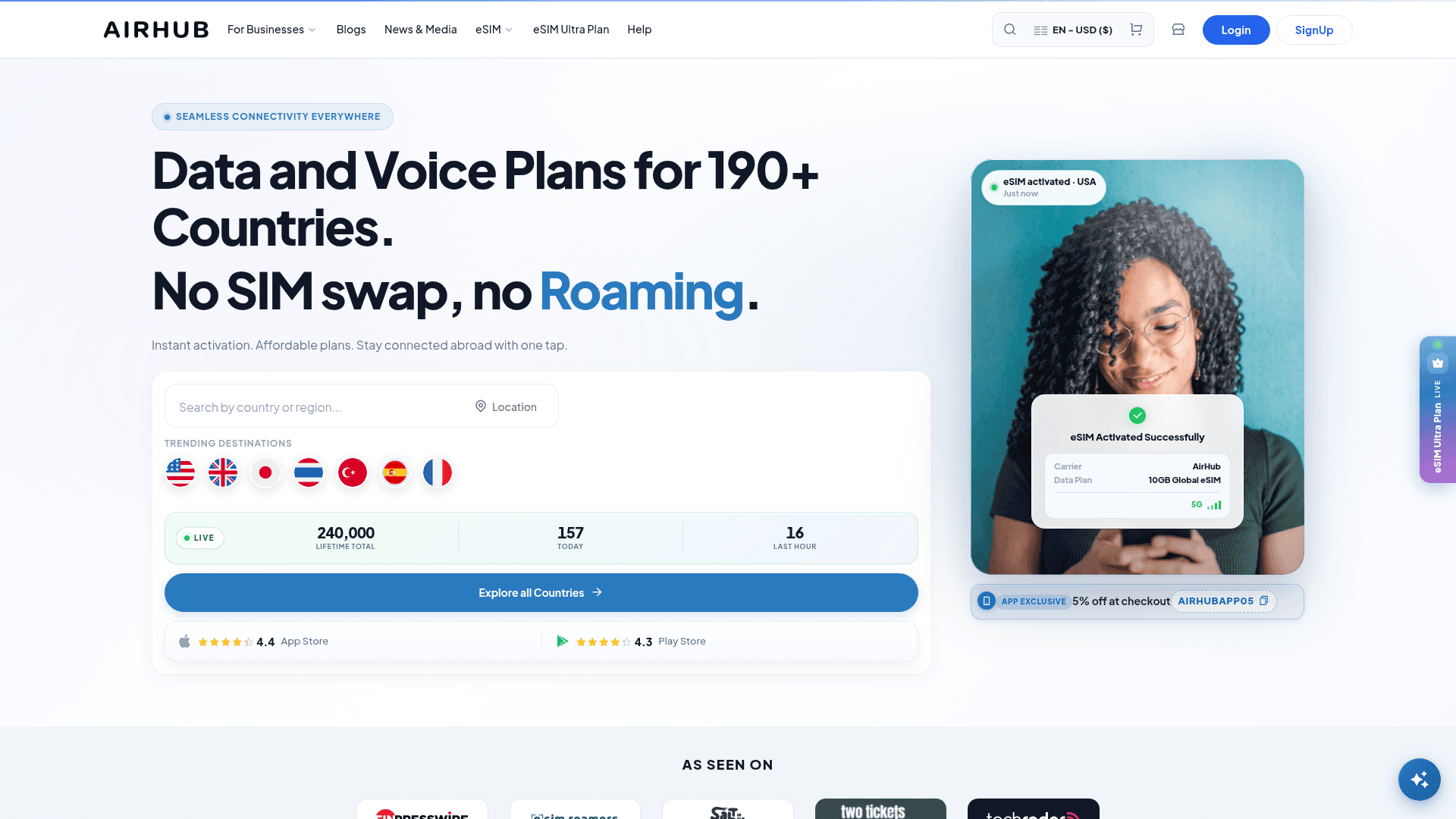
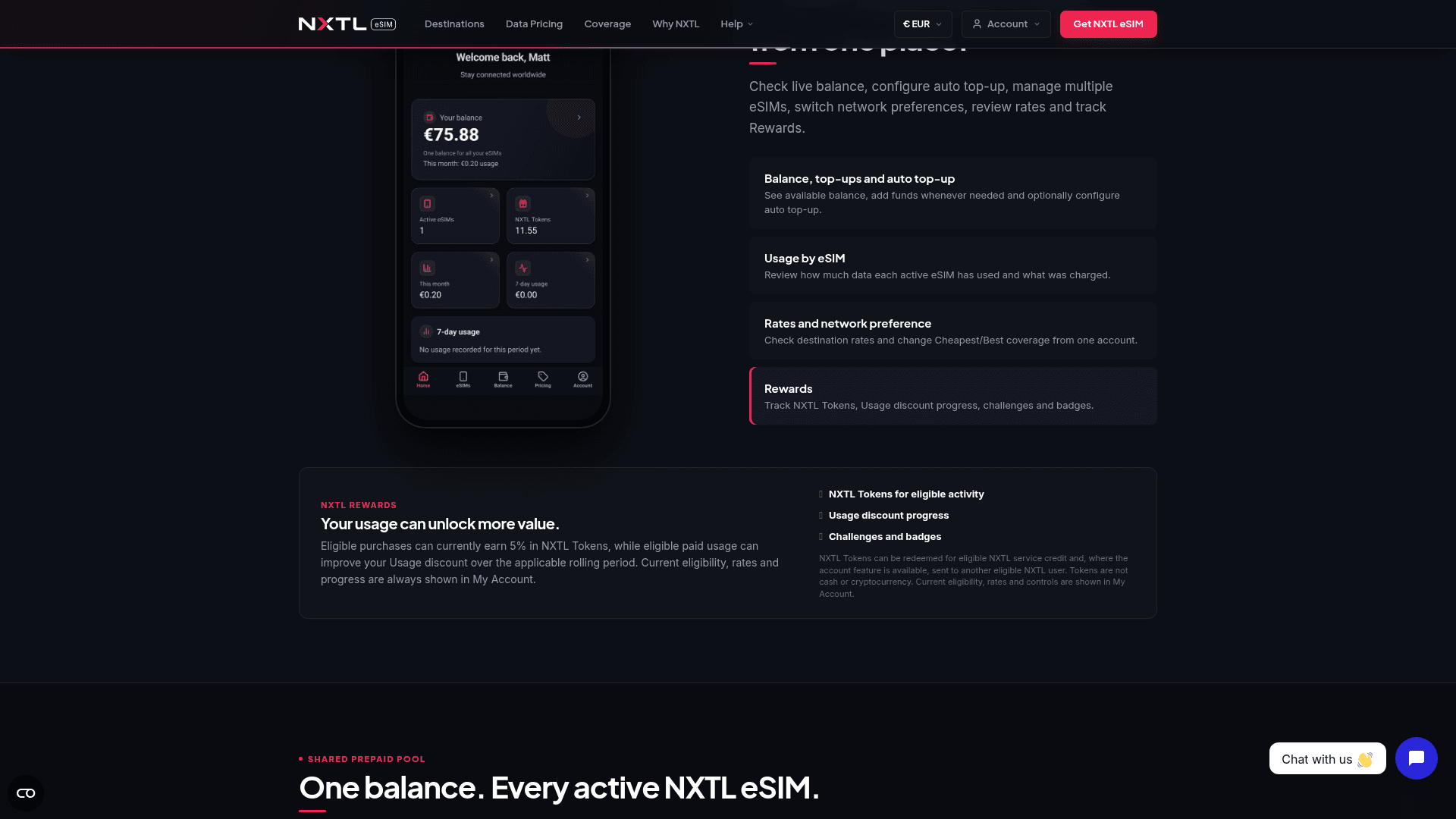
44 companies reselling mostly the same networks. What separates them is what a gigabyte typically costs, how far they reach, and how much choice they give you.































































How we rank
The price column is the lower quartile of every active plan a provider was selling when we took this month's snapshot — the cheaper end of its catalogue rather than a mean dragged up by a few premium plans. It is not a quote. What you pay depends on the destination and the size of the bundle, and a provider that looks cheap across its whole range can be the expensive one for the country you are actually going to.
The month-on-month column compares that figure with last month's. It moves when the catalogue moves, not only when prices do: a provider that adds twenty thousand plans changes its own quartile without touching a single price, and that is exactly what the largest movements in this column have been. Read it as a change in the shape of what they sell, not as a discount or an increase.
Countries and plans are counted from the same snapshot, over plans that were active at the time. Coverage is breadth rather than depth — a provider listed for 190 countries may sell one plan in most of them, which is why the two columns sit side by side instead of being folded together.
Where traffic exits is drawn only from plans that declare exactly one exit country. A plan naming several cannot be tied to the country you are standing in, so it is left out rather than guessed at. “Not stated” means the provider has never published this. It is not the same as having no local exit, and we do not count it as one.
There is no overall score. We have no honest way to weigh a cheap gigabyte in Thailand against wide coverage in west Africa, and a single number would only hide these figures behind a digit that looks more decisive than the evidence is. Pick the column that matters for your trip, then search your destination and compare the actual plans.