Compare 4 top-rated eSIM providers as alternatives to UBIGI. Find better pricing, features, and coverage.

UBIGI offers 923 plans across 200 countries with a solid 4.1 rating, but savvy travelers in 2025 are discovering alternatives that often deliver better value or higher user satisfaction. We've compared four strong options—Airalo, Saily, Roamless, and simOptions—to help you find the right fit for your next trip. Roamless stands out for budget-conscious users, while simOptions earns top marks from customers who prioritize reliability and service quality.
UBIGI's massive catalog of 923 plans spanning 200 countries makes it a solid choice for travelers who need options—lots of them. But that breadth comes at a cost: at $1.40 per GB on average, it's not the most budget-friendly provider in the pack. UBIGI works best when you're visiting multiple destinations on a single trip and want the convenience of managing everything through one provider, or when you need coverage in more obscure countries where newer competitors haven't expanded yet. The 4.1 TrustPilot rating sits comfortably in "reliable enough" territory without being exceptional.
For travelers watching their budget, Roamless consistently undercuts UBIGI on price. The trade-off? You're often getting a smaller selection of plans and potentially fewer country-specific options compared to UBIGI's extensive library. Roamless sacrifices some of that plan variety to keep costs down, which works perfectly fine for straightforward trips to popular destinations. You won't find the same exhaustive coverage across 200 countries, but most travelers don't need it.
The pricing difference becomes clearer when you compare average costs. At $0.73 per day, UBIGI positions itself in the middle of the market—not cheap enough to win on price alone, but not premium enough to justify the cost through superior service ratings. Airalo and Saily offer similar global reach, meaning UBIGI's 200-country coverage isn't a unique selling point anymore. Where UBIGI does shine is in the sheer number of plans available, giving you more flexibility to find exactly the right data amount and duration for your specific trip rather than settling for a one-size-fits-all package.
simOptions earns the highest customer rating among these providers, and that doesn't happen by accident. Strong ratings typically point to consistent app performance, responsive customer support when things go wrong, and reliable connectivity—the unglamorous basics that matter more than flashy features when you're trying to navigate a foreign city. UBIGI's 4.1 rating suggests it gets the job done without delighting users, while simOptions has clearly cracked the code on customer satisfaction.
The choice really comes down to what you prioritize. Budget-conscious travelers heading to well-covered destinations will appreciate Roamless's lower prices. Those visiting multiple countries or less common destinations benefit from UBIGI's extensive plan selection and 200-country footprint. Travelers who value hassle-free experiences and want the peace of mind that comes with highly-rated service should consider simOptions, even if it means paying slightly more than the cheapest option on the market.

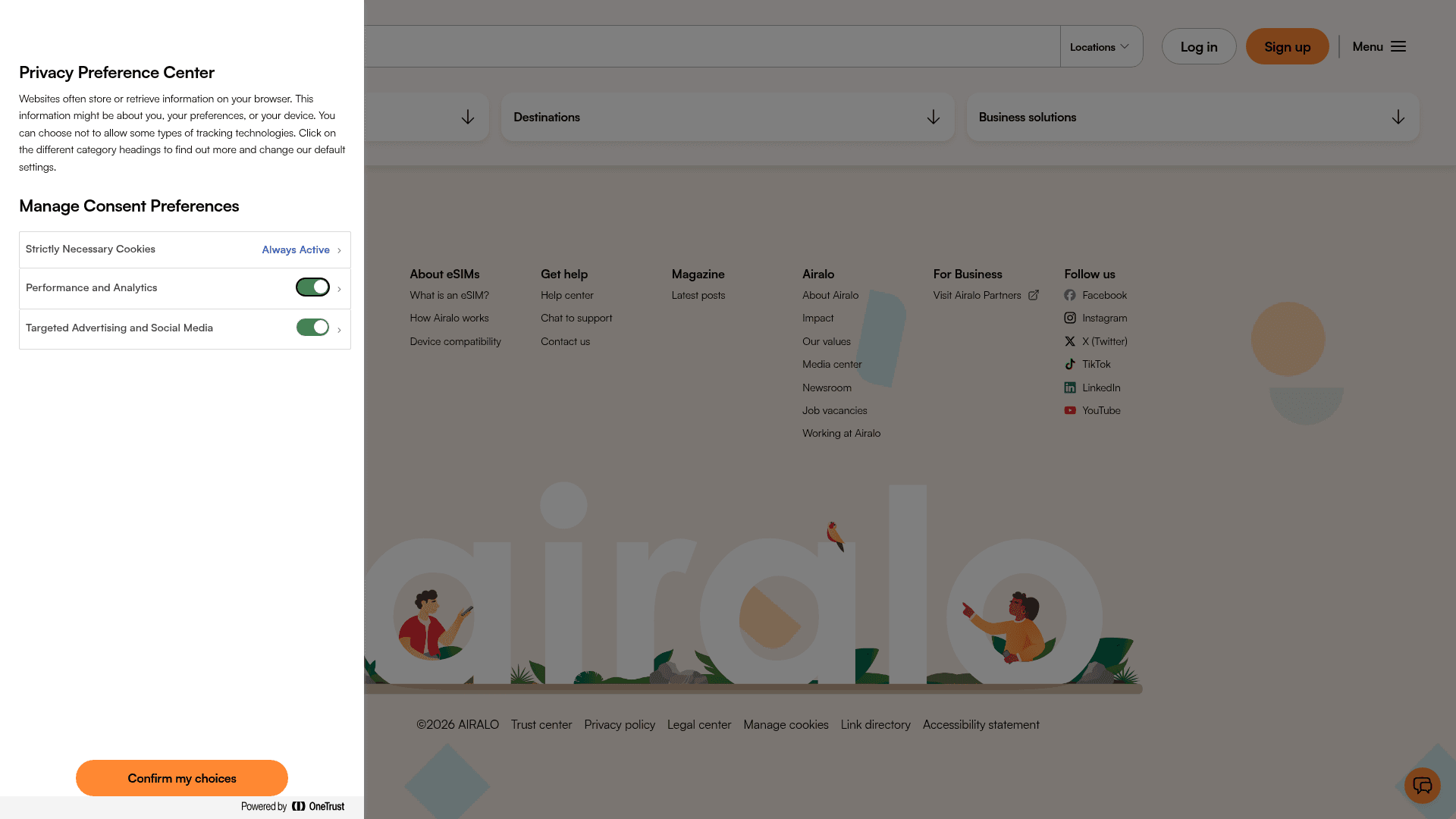
Airalo stands out as a compelling alternative to UBIGI for travelers who prioritize affordability without sacrificing reliability. At $0.20 cheaper per day on average, the cost savings add up quickly on longer trips—a two-week journey could save you nearly $3, and frequent travelers will notice the difference over multiple trips throughout the year. With 1,260 plans compared to UBIGI's 923, Airalo offers more options to match specific travel needs, whether that's a weekend city break or a multi-month backpacking adventure. The 4.0 TrustPilot rating sits just slightly below UBIGI's 4.1, reflecting a solid track record of customer satisfaction without a meaningful quality gap.
Where Airalo truly shines is for budget-conscious travelers visiting popular destinations in Asia, Latin America, and Europe. The selection of regional plans makes it easy to cover multiple countries in one trip without buying separate data packages for each border crossing. While UBIGI covers 22 more countries—potentially an advantage for travelers heading to more remote or less-visited destinations—Airalo's 178-country network still blankets the vast majority of tourist routes and business travel hubs. Travelers planning trips to off-the-beaten-path locations should verify Airalo's coverage first, but for mainstream itineraries, the provider delivers excellent connectivity at a lower price point.
For anyone prioritizing cost per day and plan variety, Airalo makes more sense than UBIGI. The provider works especially well for:
UBIGI remains the better choice when visiting destinations outside Airalo's footprint, but for the majority of international travel, Airalo delivers comparable service at a noticeably lower cost.

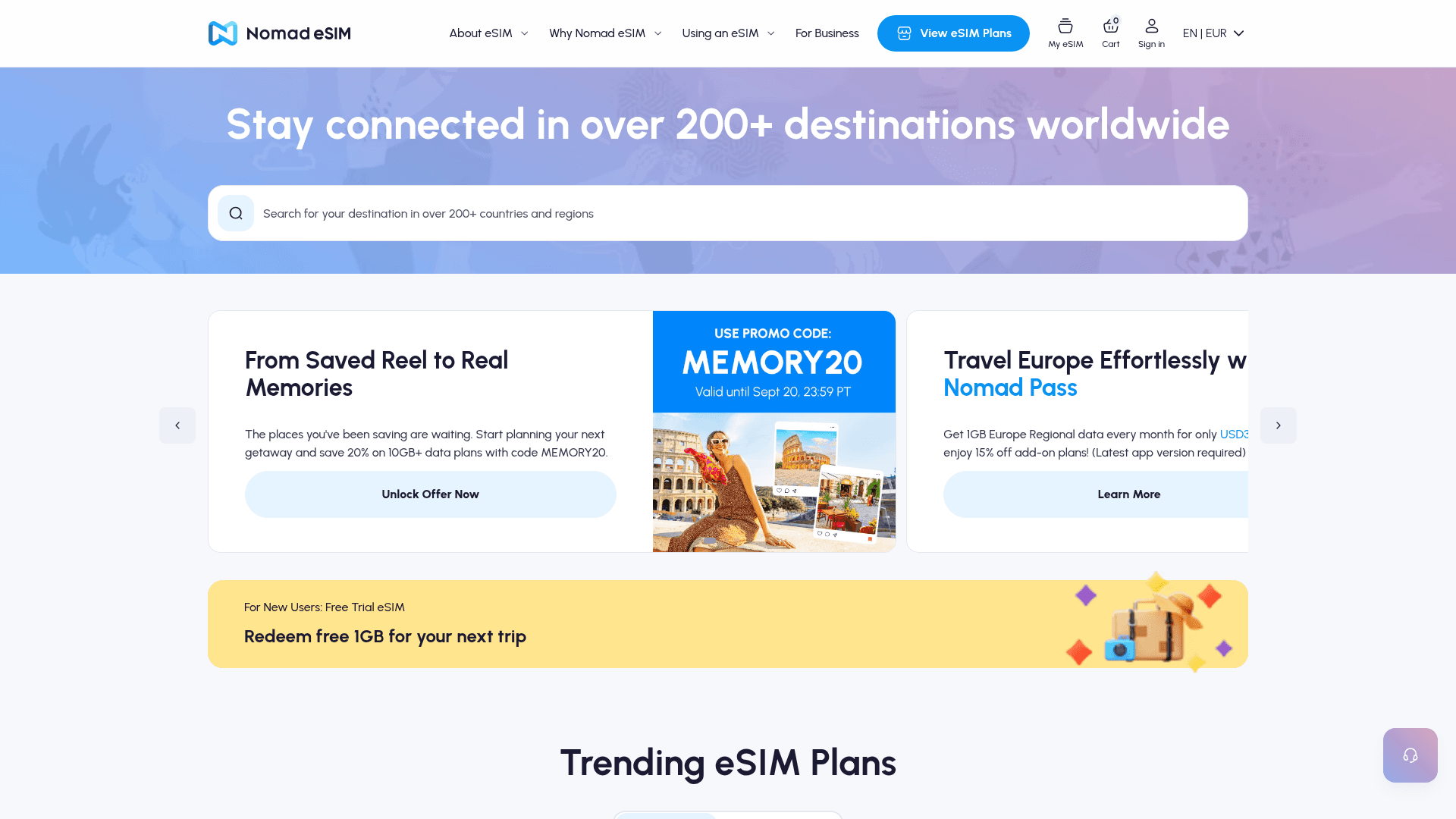
Saily delivers meaningful savings without sacrificing global reach. At $0.20 cheaper per day than UBIGI, the cost difference adds up quickly on longer trips—a two-week vacation saves nearly $3, and frequent travelers will notice the gap widen over time. Coverage spans 195 countries compared to UBIGI's 200, a negligible difference for most itineraries, while Saily's 4.0 TrustPilot rating sits just a tenth of a point below UBIGI's 4.1. The real advantage lies in price-per-gigabyte efficiency, making Saily a smarter pick for data-heavy users who stream maps, video calls, or work remotely on the road.
Budget-conscious travelers and digital nomads gain the most from switching. Saily's 816 plans cover the vast majority of popular destinations—Europe, Asia, the Americas—with flexibility for both short city breaks and month-long adventures. UBIGI does offer 107 more plans, which matters primarily for niche destinations or travelers who need ultra-specific regional bundles, but most users won't encounter gaps in Saily's network. The pricing structure favors those who prioritize stretching their travel budget while maintaining reliable connectivity across multiple countries.
Choose Saily when cost per day and data value matter more than having every possible plan option. UBIGI remains a solid fallback for travelers visiting less common destinations or those who value its slightly larger plan library, but Saily's combination of broad coverage and lower rates makes it the practical default for the majority of international trips.


Roamless stands out with a substantially larger catalog—4,367 plans compared to UBIGI's 923—giving travelers far more flexibility to find exactly the right data package for their trip. Price-wise, the two providers run neck and neck, with similar per-gigabyte costs that make either a solid budget-friendly choice. The main coverage difference is modest: Roamless reaches 194 countries versus UBIGI's 200, a gap of just six destinations that won't matter for most itineraries. UBIGI does edge ahead slightly with a 4.1 Trustpilot rating compared to Roamless's 3.5, suggesting a somewhat smoother customer experience for those who prioritize support and reliability.
Where Roamless really shines is in sheer plan variety. Travelers hopping between multiple regions—say, a Europe-Asia combination trip or a multi-country South American journey—benefit from the enormous selection, which often includes niche regional bundles and unusual data increments that UBIGI simply doesn't stock. That said, UBIGI's higher rating and six additional countries make it a safer bet for first-time eSIM users or anyone visiting less common destinations where every coverage point counts. Roamless also appeals to frequent travelers who want options: the ability to choose between dozens of configurations for a single country means you're not locked into a one-size-fits-all package.
For most travelers, the choice hinges on priorities. Pick Roamless when you want maximum plan selection and don't mind navigating a larger catalog to find the best deal. Stick with UBIGI when you value a slightly higher user rating, need one of those six extra countries, or prefer a more streamlined, curated set of options. Both deliver competitive pricing, so the decision rarely comes down to cost alone.


simOptions presents a compelling case for travelers seeking better value than UBIGI, particularly when budget matters. At $0.23 cheaper per day on average, the cost difference adds up quickly on longer trips—a two-week journey saves over $3 just on daily rates, before factoring in data pricing. With 199 countries covered compared to UBIGI's 200, the network reach is nearly identical, yet simOptions manages to offer this similar coverage while maintaining a 4.3 TrustPilot rating that edges past UBIGI's 4.1. The provider also stocks 1,111 plans versus UBIGI's 923, giving travelers more granular options to match their exact data needs rather than settling for a one-size-fits-all package.
Budget-conscious travelers who frequently move between regions will find simOptions especially practical. The wide variety of plans means someone hopping between Southeast Asia, Europe, and South America can string together targeted regional eSIMs rather than paying for global coverage they won't fully use. That said, UBIGI's slightly larger plan catalog in specific high-demand markets and its longer market presence may still appeal to travelers who prioritize brand familiarity or need specialized coverage in niche destinations. For a three-week backpacking trip across multiple countries where every dollar counts, simOptions delivers the same connectivity footprint at a measurably lower price point, backed by marginally better user reviews.
Choosing between the two comes down to clear priorities:
After comparing UBIGI with four strong competitors in 2025, the standout finding is clear: most travelers will save money and enjoy better flexibility by switching. While UBIGI remains a reliable name, Airalo, Saily, Roamless, and simOptions each offer sharper value in specific areas that matter most to today's connected travelers.
Your best match depends on what you prioritize:
Sticking with UBIGI makes sense only if you're already locked into their ecosystem or have unused credit. For everyone else, switching to one of these four alternatives means better rates, stronger user reviews, or features better tailored to how you actually travel. Pick the provider that matches your main priority, and you'll notice the difference on your next trip.